The First School Years
The first few years of a child's life are far more consequential than most parents realise. Long before a child steps into a classroom, their brain is already forming the neural connections that will shape how they think, learn, and problem-solve for the rest of their lives. Researchers now widely agree that early childhood experiences are among the strongest predictors of future cognitive ability — and the science behind this is both compelling and actionable.
The brain in its most receptive state
From birth to around age five, the human brain develops at a pace it will never again match. During this window, roughly one million new neural connections form every second. These connections underpin everything from language acquisition and emotional regulation to memory and logical reasoning. The quality of stimulation a child receives during this period directly influences how robust and well-organised these neural networks become.
Children who are exposed to rich language environments, responsive caregiving, and intellectually stimulating play during their early years consistently demonstrate stronger cognitive outcomes later in life. Conversely, prolonged stress, neglect, or lack of stimulation can disrupt normal brain architecture — effects that often persist well into adulthood.
Early learning as a predictor of future intelligence
A growing body of longitudinal research supports the idea that early learning experiences are among the most reliable indicators of future academic performance and general intelligence. Studies tracking children from infancy through to adulthood have found that those who participated in high-quality early childhood education programmes scored significantly higher on measures of literacy, numeracy, and executive function compared to their peers.
One frequently cited example is the HighScope Perry Preschool Project, a long-running study that followed participants for decades. Children who received structured early learning support not only performed better academically, but were also more likely to hold steady employment and less likely to engage in criminal behaviour as adults. The implications stretch well beyond the classroom.
What "early learning" actually looks like
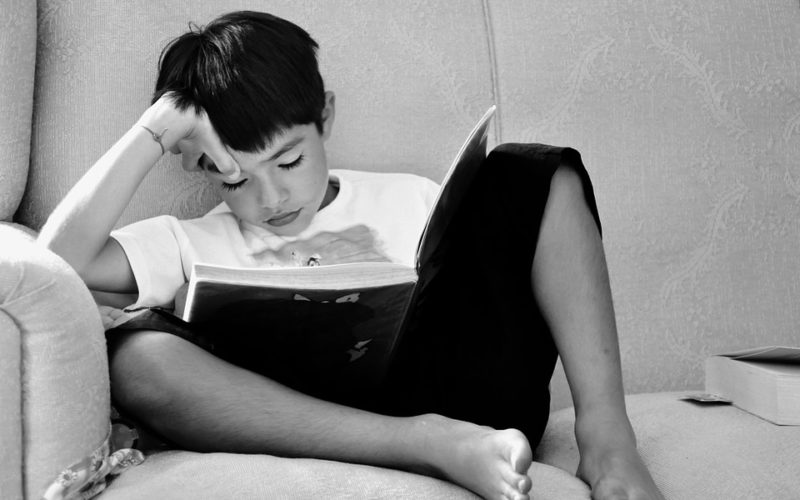
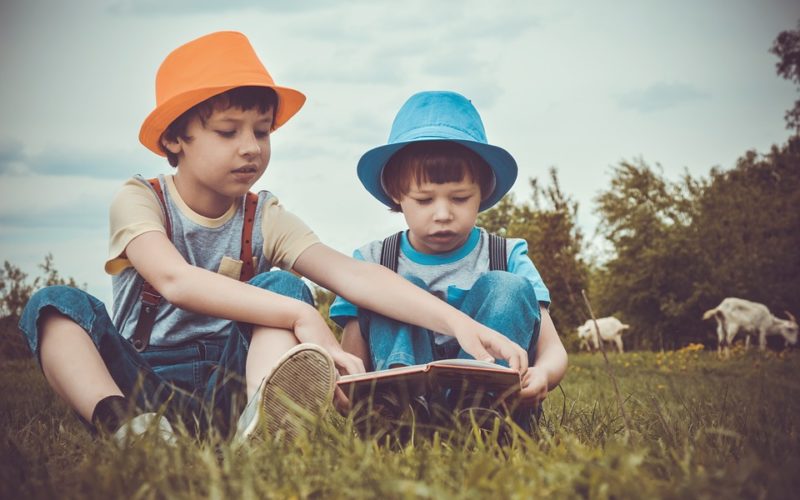
It is worth clarifying that early learning does not mean drilling toddlers with flashcards or pushing academic content before children are developmentally ready. Effective early learning is largely child-led, play-based, and responsive. It involves reading aloud, asking open-ended questions, encouraging curiosity, and allowing children to explore their environment safely.
Talk is particularly powerful. Children who hear a wide variety of words from an early age develop stronger vocabularies, which in turn supports reading comprehension, abstract thinking, and academic success. Simple conversations during everyday routines — cooking, shopping, walking to the park — contribute meaningfully to this process.
The role of caregivers and educators
Parents and early childhood educators play an irreplaceable role in a child's cognitive development. Warm, consistent relationships create the psychological safety children need to take intellectual risks — to ask questions, make mistakes, and try again. When caregivers respond attentively and enthusiastically to a child's attempts to communicate or explore, they reinforce neural pathways associated with learning and resilience.
This does not mean that every interaction needs to be a structured lesson. More often, it is the accumulated effect of thousands of small, everyday moments — a caregiver naming objects, narrating actions, or simply sitting with a child as they figure something out — that makes the difference over time.
Investing in early years pays lifelong dividends
The evidence is clear: what happens in the early years leaves a lasting imprint. Supporting children's learning and development before formal schooling begins is one of the highest-return investments a family, community, or government can make. The window is wide open during these formative years, but it does not stay that way indefinitely. Recognising the significance of early childhood — and responding to it with intention — is the first step towards giving every child the strongest possible foundation for life.